
Having your website in one or two more languages can be quite appealing.
Being able to new markets and scaling your business internationally is one hell of an achievement.
But, as you might already know, translating your website into a new language requires more than changing a few words and URLs.
It involves a serious of steps that, if done right, will allow you to connect to a different audience in a new culture, and see all those magic business numbers rising.
Let’s walk through what you need to know before translating, or, in technical terms, localising your website.
It all begins with research
Before you touch a single line of code, use AI or hire a translator, you need to understand your new target market.
Which means being able answer these critical questions:
- Who are your customers in this new market?
- What message resonates with them?
- How do they search for solutions?
- What motivates them to buy?
You probably recognise these questions, because they are the same you need to know when offering a product or service to your local audience.
So, you might ask, do I really need to research again?
Yes, because the answers in Brazil might be completely different from those in Germany, and vice versa, even if you’re selling the same product.
You might resonate with a different segment all together. Sometimes, the entire value proposition needs to shift. A feature that’s your main selling point in one country might be irrelevant—or even off-putting—in another.
And you can only know for certain with research.
Through market research, we can understand local consumer behaviour, competitive landscape, and cultural nuances.
Use surveys, focus groups, and interviews with potential customers in your target market.
Analyse your competitors who are already successful there:
What messaging do they use?
- How do they position themselves?
- What can you learn from their approach?
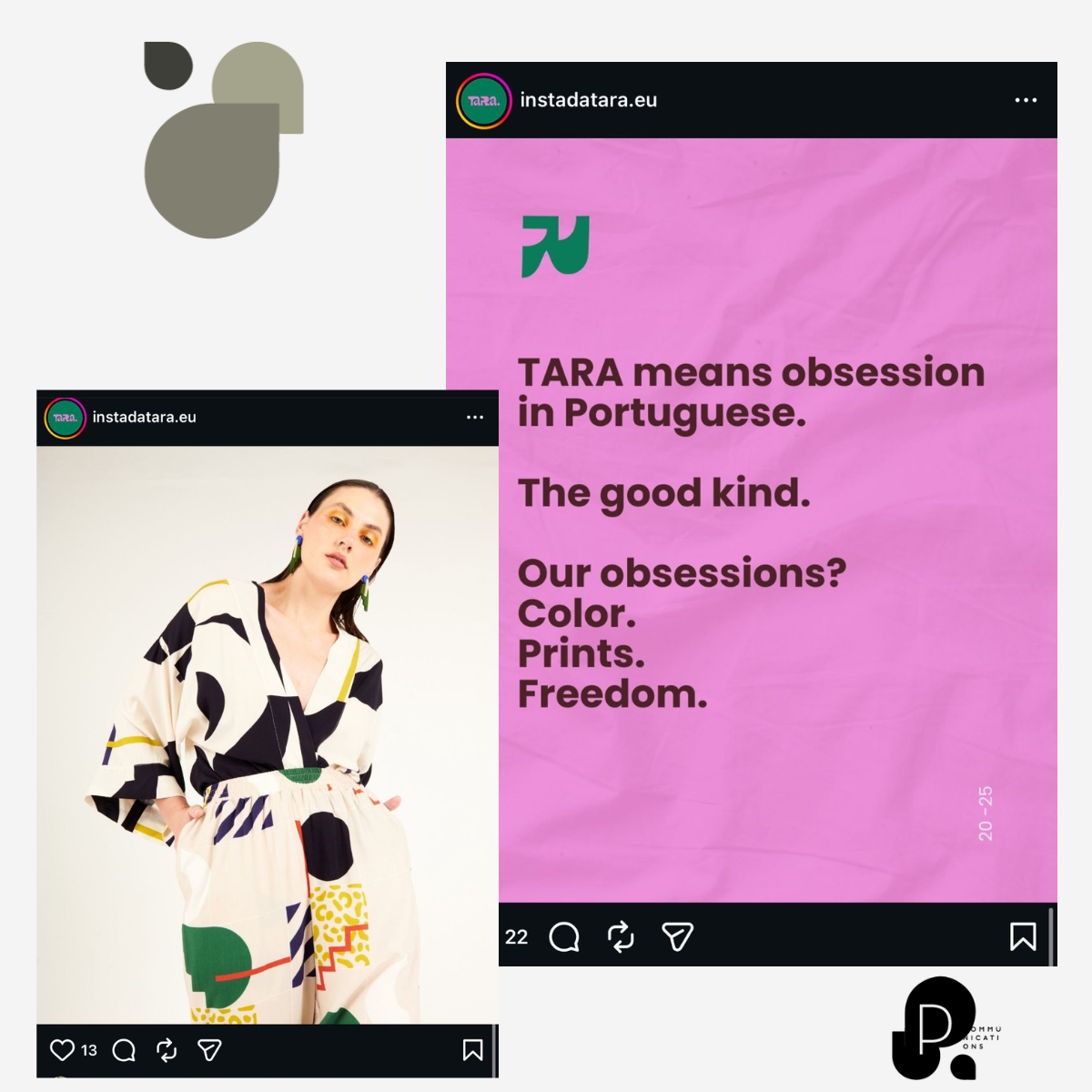
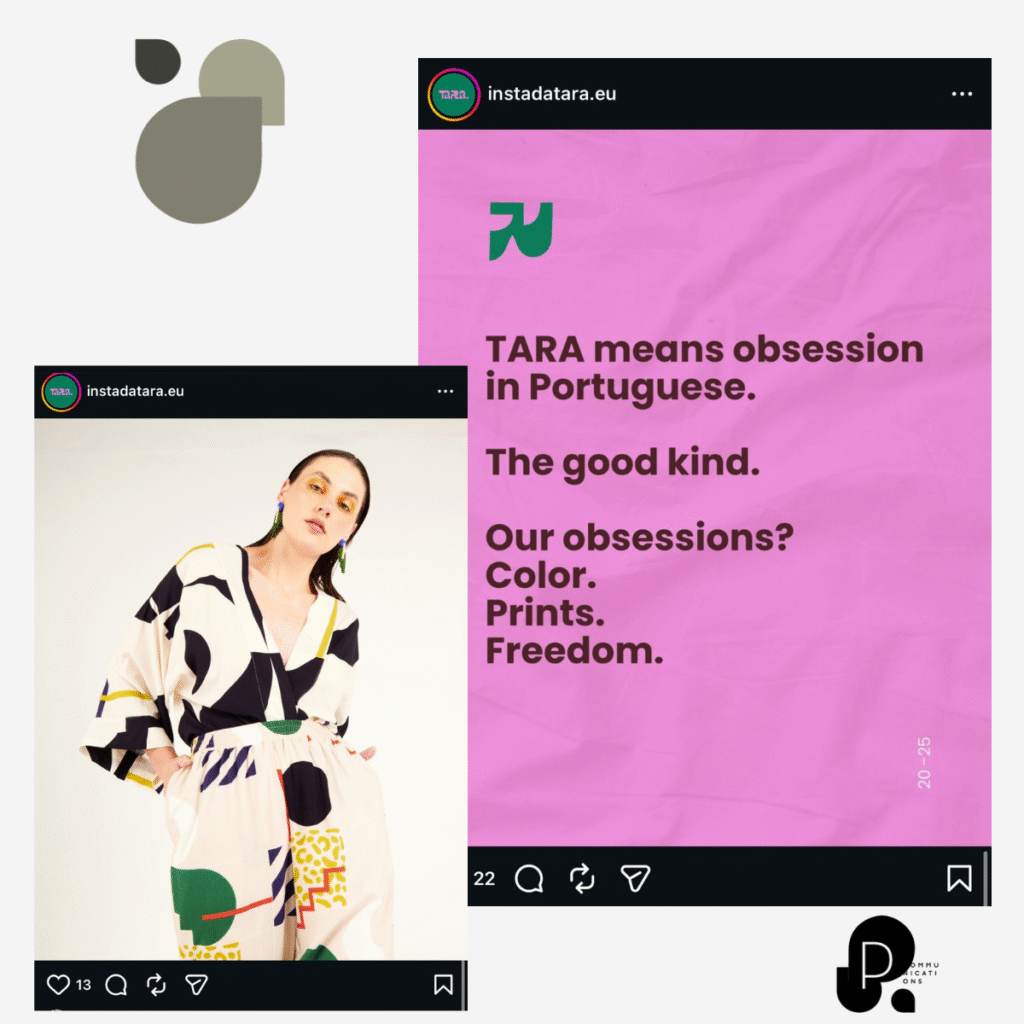
One of my recent clients was Tara, a Brazilian brand going for the German (specifically Berliner) market. Our goal was to recreate their message according to the new audiences.
But we notice we needed a shift. The brand had diverse female personas in Brazil, but I advised my clients to also create a FLINTA (Female, Lesbian, Intergender, Non-binary**, T**rans and Agender people) persona, commonly used term by the local community here in Berlin.
Don’t forget local competitors
You’re not entering a vacuum. Your new market already has established players, and they have a head start in understanding local preferences.
Study your local competitors intensively. What messaging strategies do they use? How do they position themselves? What benefits do they emphasise?
Research them to find a differentiated position that’s both true to your brand and relevant to local customers.
Sometimes you’ll discover that you need to position yourself differently in different markets. A premium brand in one market might need to emphasise value in a more price-sensitive market. A challenger brand at home might be able to position itself as an innovative newcomer in a market where its category is less developed.
Adapt your message
After research, you need to recreate your message for the new audience.
Aka: how you are going to present your product or service in a way that people can understand you and be willing to buy from you.
Never forget that, by translating a website, you are making your solutions available to a new culture. What needs to change for this new culture?
This has to be analysed on a case by case scenario.
Think about local pain points and aspirations. The problem you solve might be the same globally, but how people articulate that problem varies. Your messaging should speak to local concerns in the local language—and I don’t just mean German, Portuguese or English. I mean, the way people actually talk about their challenges in that specific market.
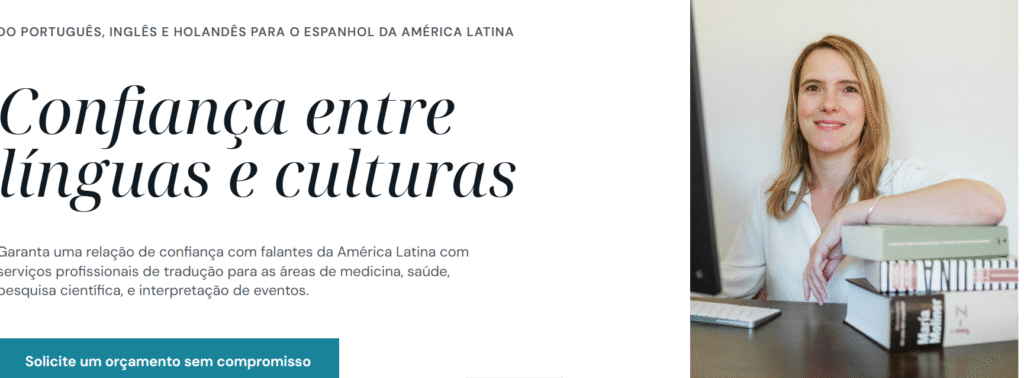
Inés, for instance, approached me with a project that, from the outside, can look like a simple translation: convert a website from English to Portuguese for a translator moving from Uruguay to Brazil.
Except it wasn’t a simple translation at all, as she was well aware of. That’s why she decided to work with me.
Her sworn translator credentials weren’t valid in Brazil. Her target audience was completely different. Her primary service needed to shift from translation to interpretation.
This was a complete strategic repositioning disguised as a translation project.
We adapted her strategy, messaging, and positioning to resonate with a specific market and culture.
Every decision was filtered through: “Will this resonate with Brazilian clients?”.
You can read the full story here.
Rebuild trust
Translating a website is more than inserting a new flag or language code in the corner of a page.
After working on your message, you should consider rebuilding your trust for the new culture, which includes local proof points, social validation, and cultural vetting.
Testimonials from customers in the target market carry far more weight than those from elsewhere. Case studies should feature local companies or situations that your new audience can relate to. Awards and certifications that matter in your home market might be unknown in your target market, while local certifications you’ve never heard of might be essential for credibility.
Another example can be images. For instance, the photos you use should reflect the diversity and norms of your target audience. Stock photos of people who don’t look like your target market create an immediate disconnect.
We had an issue with a national campaign in Brazil (Pró-Brasil) being criticised because it used a stock photo with only caucasian children on it. Given the highly miscegenated reality of the country, people complained because it didn’t resonate with them – and made memes about it, because it’s how Brazilians deal with caos.
A similar issue can occur if a text mentions a term with political implications.
I have personally worked on a text that mentioned lobby, which is an accepted practice in the EUA, but considered a crime in Brazil, so I have advised my client to either remove this part or recreate it.
Another relatively struggle copy is humor. Humour rarely translates well, which means that what’s funny in one culture can be confusing or even offensive in another. If humour is central to your brand voice, you’ll need to recreate it, not translate it. This requires working with native copywriters who understand both the culture and your brand.
In all of these cases, having a cross-cultural partner will help you not only understand your customers but also gain their trust and spot potential issues from the start to avoid a backlash.
5. Adapt for the local search and legislation
Adapting a website also requires understanding the local search landscape.
What keywords are people using to find products or services like yours? The direct translation of your primary keyword might not be what people actually search for.
For Inés’ website, we used the term “Tradução simultânea” (’Simultaneous translation’) alongside the correct term “Interpretação” (Interpretation), because this is how clients search for this service online.
Working with local SEO or messaging experts will help identify the terms that matter in each market, as well as make sure it is optimised for AI search.
Also, beware that privacy concerns and data handling expectations vary by culture and regulation. How you communicate about data collection, what guarantees you offer, and how transparently you operate need to align with local expectations and legal requirements.
Understand local buying behaviours and preferences
Payment preferences also differ by region. While credit cards dominate in some markets, others prefer bank transfers, digital wallets, or even cash.
In Brazil, for instance, we have Pix, a direct transfer method. In Germany, cash is widely used, followed by PayPal and debit cards.
Your website needs to support the payment methods your target customers actually use and use the country’s currency.
Test, Measure, and Iterate
Localisation isn’t a one-time project—it’s an ongoing process of refinement.
Test your localised content with real users from your target market. Test different messaging approaches, headlines, and value propositions. What resonates? What confuses people? What drives conversions?
Set up proper analytics to track how users in each market interact with your site. Are they bouncing quickly from certain pages? Where do they drop off in the conversion funnel? These insights will guide your optimisation efforts.
Be prepared to iterate based on what you learn. Your first version won’t be perfect, and that’s okay. The companies that succeed in localisation are those that treat it as a continuous learning process.
A Few Words on the Technical Side
Yes, there are some technicalities to consider in your project.
For instance, you’ll need to decide how you will organize the versions of your website: subdomains (de.yoursite.com), subfolders (yoursite.com/de), or separate domains (yoursite.de)? Each option has different implications for SEO, maintenance, and domain authority.
Also, you’ll need to implement hreflang tags so that for Google can understand which version to show to each audience. An error here can result in German users seeing content in Portuguese, or worse, your site being penalized for duplicate content.
And there are some extras: you’ll need to ensure your CMS can handle multiple languages efficiently, and consider page load times for users in different geographic locations.
But these technical elements exist to support your marketing strategy, not drive it. Get the marketing right first, then implement the technical infrastructure to deliver that experience.
The Bottom Line
Website localisation is fundamentally about respect: respect for your new audience, their culture, their preferences, and their unique needs.
Done well, localisation opens up tremendous opportunities for growth. Done poorly, it’s a waste of resources that can even damage your brand.
Invest the time in understanding your target market before you start building. Partner with local experts who can guide you. Test thoroughly. Measure carefully. And always remember: you’re not translating a website, you’re building a bridge between your brand and a new community.